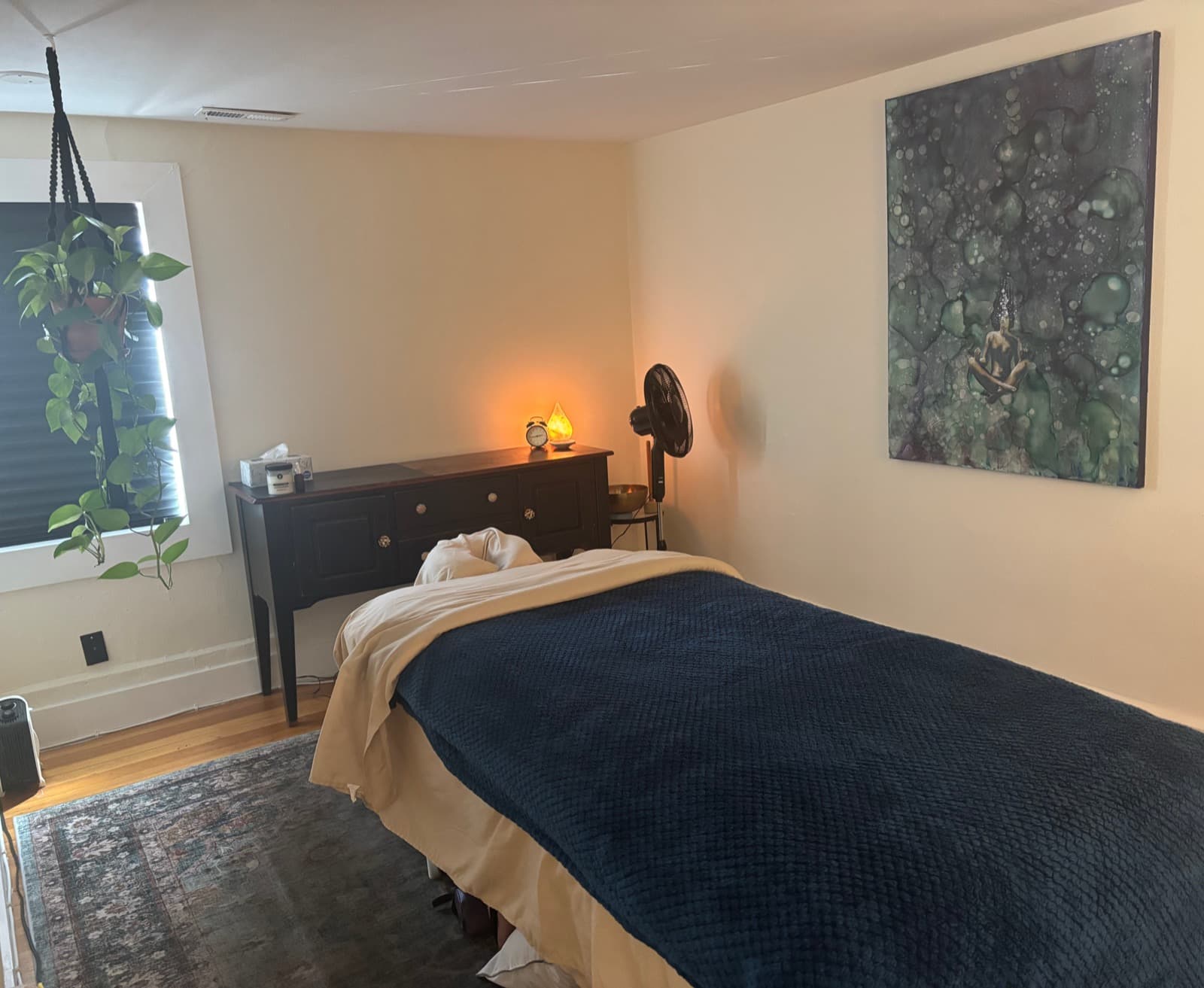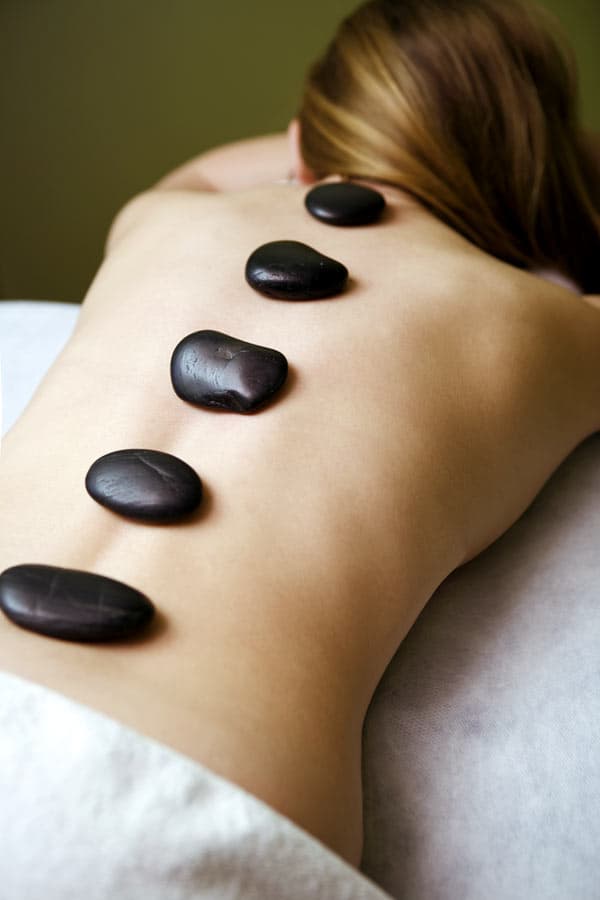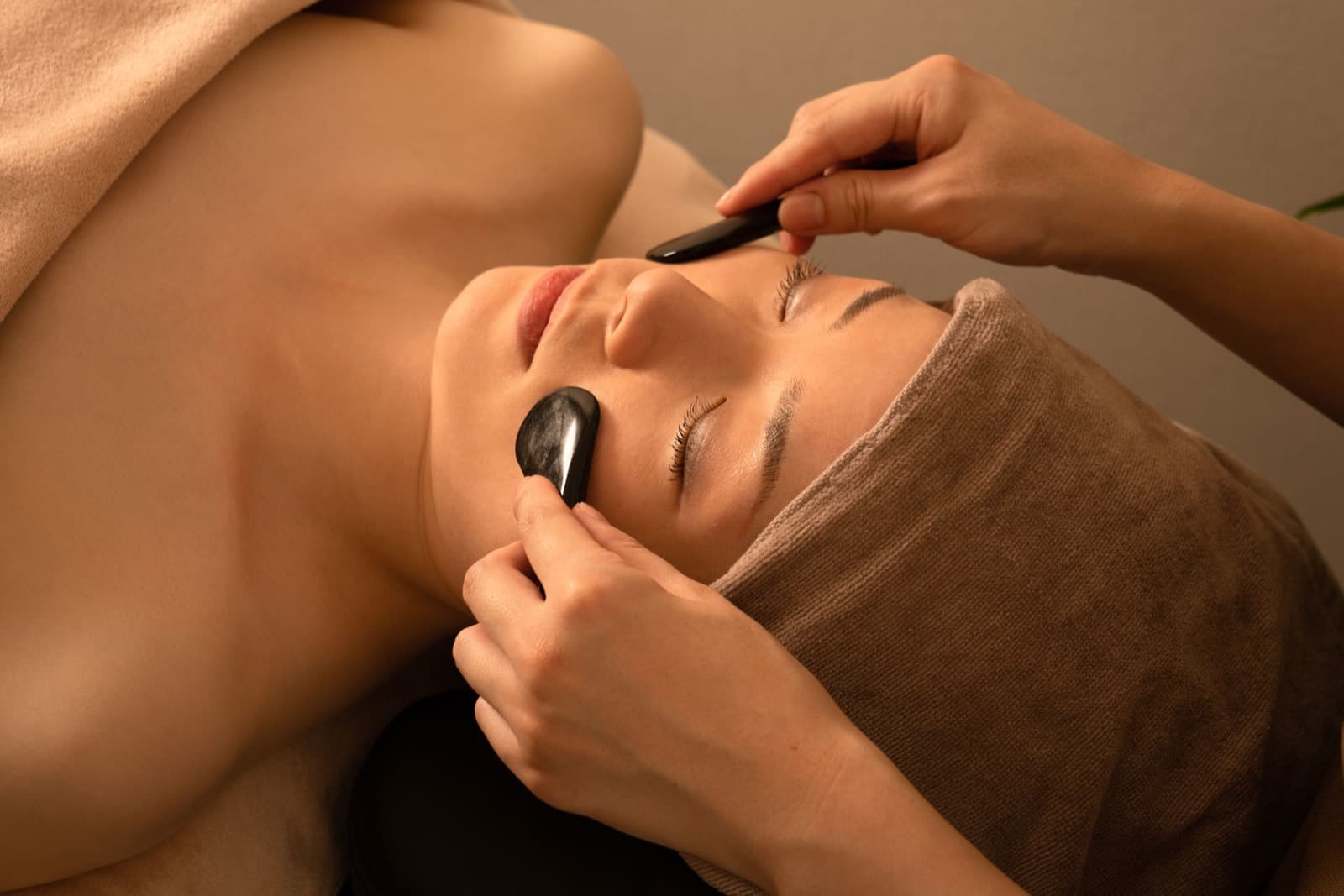
It's the question I get more than any other, usually while a new client is filling out their intake form: "So which one do I actually need — deep tissue or something more relaxing?"
It's a good question, and the honest answer is that the two aren't really opposites. But they do feel different on the table, and knowing what each one is for will help you get more out of your session. After 24 years of doing this work, here's how I explain it.
What a relaxation massage is really doing
A relaxation massage works with lighter, flowing pressure across the whole body. The goal isn't to dig into one stubborn spot — it's to quiet your nervous system down.
When you've been running on stress for weeks, your body stays braced. Shoulders creep up toward your ears, your breathing gets shallow, and you stop noticing how much tension you're carrying until someone's hands remind you. A slower, full-body massage gives your system permission to shift out of that gear. People often tell me they slept better that night than they had in weeks.
So relaxation work is less about a specific muscle and more about the overall state you leave in.
What deep tissue is actually for
Deep tissue is slower and more focused. Instead of covering everything evenly, I spend more time on the areas that are genuinely stuck — the ropey band along the top of your shoulders, the knot under your shoulder blade, the hips that never quite let go.
Here's the part worth clearing up: deep tissue does not mean "as hard as I can push until you regret it." Good deep work is firm and deliberate, and it should stay in the range of a satisfying, productive ache — the kind where your body relaxes into the pressure instead of fighting it. If you're clenching your jaw and holding your breath, that's not therapeutic. That's just pain, and a braced muscle can't release anyway.
Deeper isn't automatically better. The right pressure is the deepest one your body can actually soften under.
How to tell which one you're after
Ask yourself what's bothering you most right now.
- If you're stressed, wired, or worn down — sleeping badly, stuck in your head, just need to come back to your body — you're describing a relaxation massage.
- If you have a specific, naggy problem — the desk-job neck and shoulders, low back that tightens after a long drive, a hip that's cranky since you started running again — that's deep tissue territory.
- If you're recovering from an injury or managing chronic tension, that's the therapeutic and rehab work I specialize in, and we'll build the session around the problem area.
And if your honest answer is "both — I'm tense everywhere and also I just need to breathe," welcome to the club. That's most people.
Why you don't actually have to choose
Here's the thing I most want you to know: at Frixtion Spa you're not picking a rigid menu item. Every therapeutic massage I do is customized, whether you want gentle relaxation or focused deep tissue work. A single session can open with broader, calming strokes to settle you down, then move into slower, focused work once your muscles are warm and willing — and finish soft again so you don't leave feeling rattled.
Pressure is a dial, not a switch. It can change from one area to the next and from one minute to the next.
So the most useful thing you can do isn't to agonize over the label. It's to tell me, in plain words, what you want out of the hour: "I want to zone out," or "please spend the whole time on my shoulders," or "firm, but I don't love feeling sore tomorrow." I'll build the session around that, and I'll check in on pressure as we go. You can always ask for more or less — during the massage is exactly the right time to speak up.
If it's your first time on my table, you might also like to read what to expect at your first massage before you come in.
How to talk about pressure
Most people worry they'll insult me by asking for something different mid-massage. You won't. The clients who get the most out of their hour are the ones who speak up, and here's the vocabulary that actually helps:
- "A little lighter here" or "you can go deeper here" — simple, specific, exactly what I need.
- "That's a good hurt" vs. "that's too much" — there's a real difference between the productive ache of a muscle releasing and the sharp, breath-holding kind. Only you can feel which is which, so tell me.
- "Can you stay here for a minute?" — if I've found the spot, say so. I'll happily park there.
None of this makes you a difficult client. It makes you a client I can actually help.
A word on feeling it the next day
After focused deep work, it's normal to feel a little tender the following day — think of it like the pleasant soreness after a good workout, not an injury. It usually fades within a day. Drinking water and moving gently helps. If you'd rather avoid that feeling entirely, just tell me at the start and I'll keep the pressure in a lighter range. A relaxation-focused session rarely leaves you sore at all.
The short version
Relaxation work calms your whole system. Deep tissue frees up specific stuck spots. Most sessions are a blend, tuned to what your body needs that day — and the best results come from telling your therapist what you're hoping for, not from choosing the scariest-sounding option on the list.
When you're ready, book a session and just tell me where it hurts and how your week's been going. We'll take it from there.
This article is general information, not medical advice. If you have a specific injury or health condition, check with your healthcare provider about whether massage is right for you.